Everything You Need to Know About Hakuba: The Ultimate FAQ for Your Japan Ski Trip
There’s truly something for everyone in Hakuba.
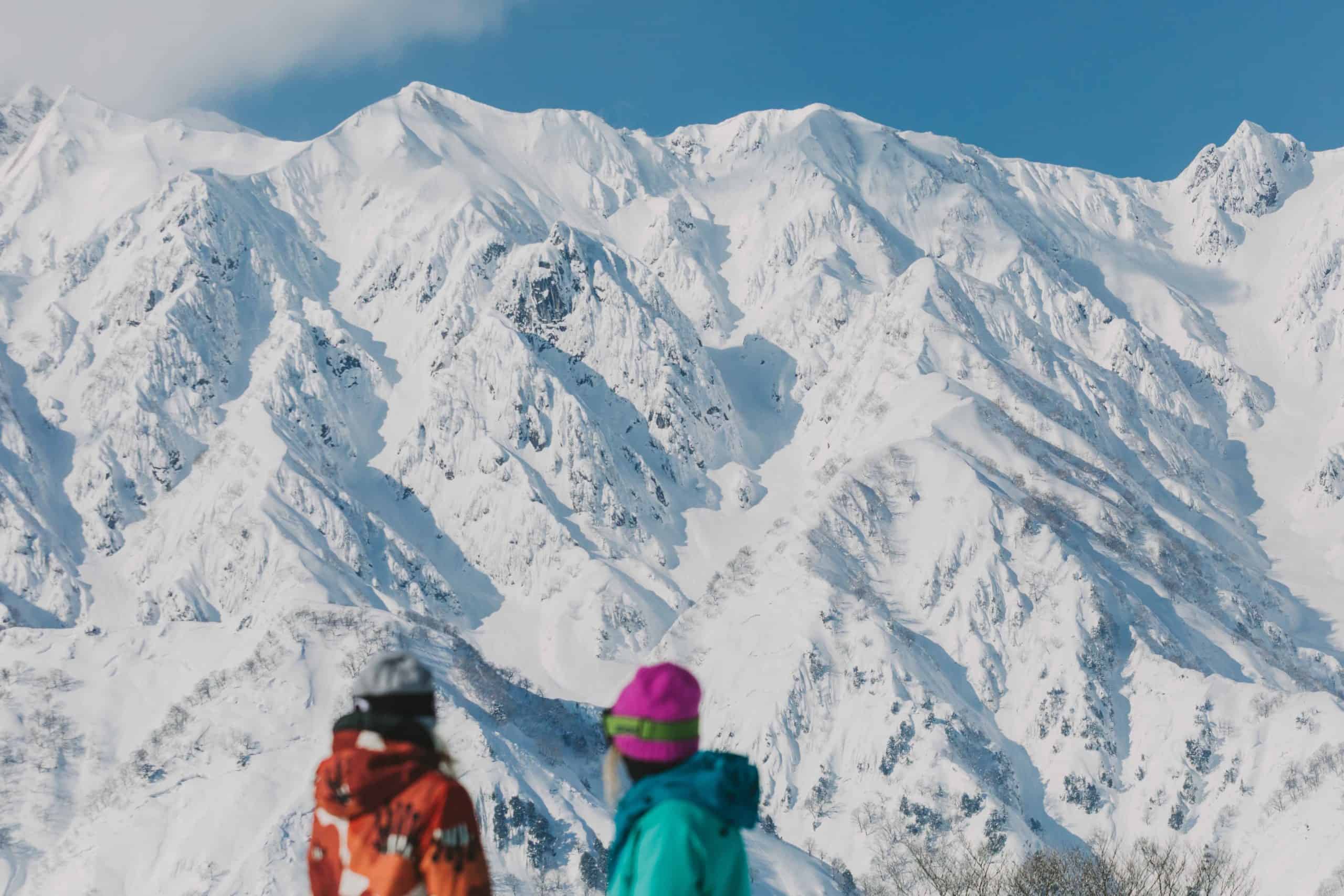
Set against the dramatic backdrop of the Japanese Alps, Hakuba Ski Resort is one of Japan’s standout alpine destinations. With deep, consistent powder, expansive terrain, and a blend of modern infrastructure and local charm, it’s no surprise that Hakuba is becoming renowned internationally among skiers and snowboarders chasing authentic winter experiences.
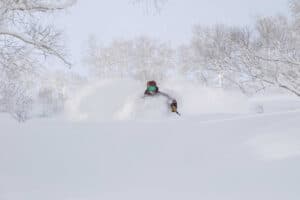
From powder-filled bowls to cruisy groomers, the valley dishes out something for everyone.
We’ve pulled together this ultimate FAQ to answer all your Hakuba questions. Our team’s based on the ground each winter, so whether it’s your first trip or your fifth, we’re here to help you plan your perfect Hakuba adventure.

Frequently Asked Questions About Hakuba
How do I get to Hakuba from Tokyo?
The most convenient route from Tokyo to Hakuba is via the Hokuriku Shinkansen to Nagano Station, followed by a Hakuba-bound bus or shuttle (roughly 60-70 minutes). The entire journey takes approximately 3 to 4 hours. Alternatively, direct highway buses run directly from Shinjuku and Narita/Haneda airports, though these are slower (5-6 hours) but can be more economical.
What is the nearest airport to Hakuba?
The closest major international airports to Hakuba are Narita International Airport (NRT) and Haneda Airport (HND) in Tokyo. From there, travelers take a bullet train or bus to reach Hakuba. Some visitors also fly into Nagoya’s Chubu Centrair Airport (NGO), though Tokyo is more commonly used.
Can I use the JR Rail Pass to reach Hakuba?
Yes, the Japan Rail Pass covers the Hokuriku Shinkansen to Nagano Station, which is part of the route to Hakuba. The final bus or shuttle to Hakuba is not covered by the JR Pass but costs about ¥2,000-¥3,000. Total journey time is around 3 hours from Tokyo.
When is the best time to visit Hakuba?
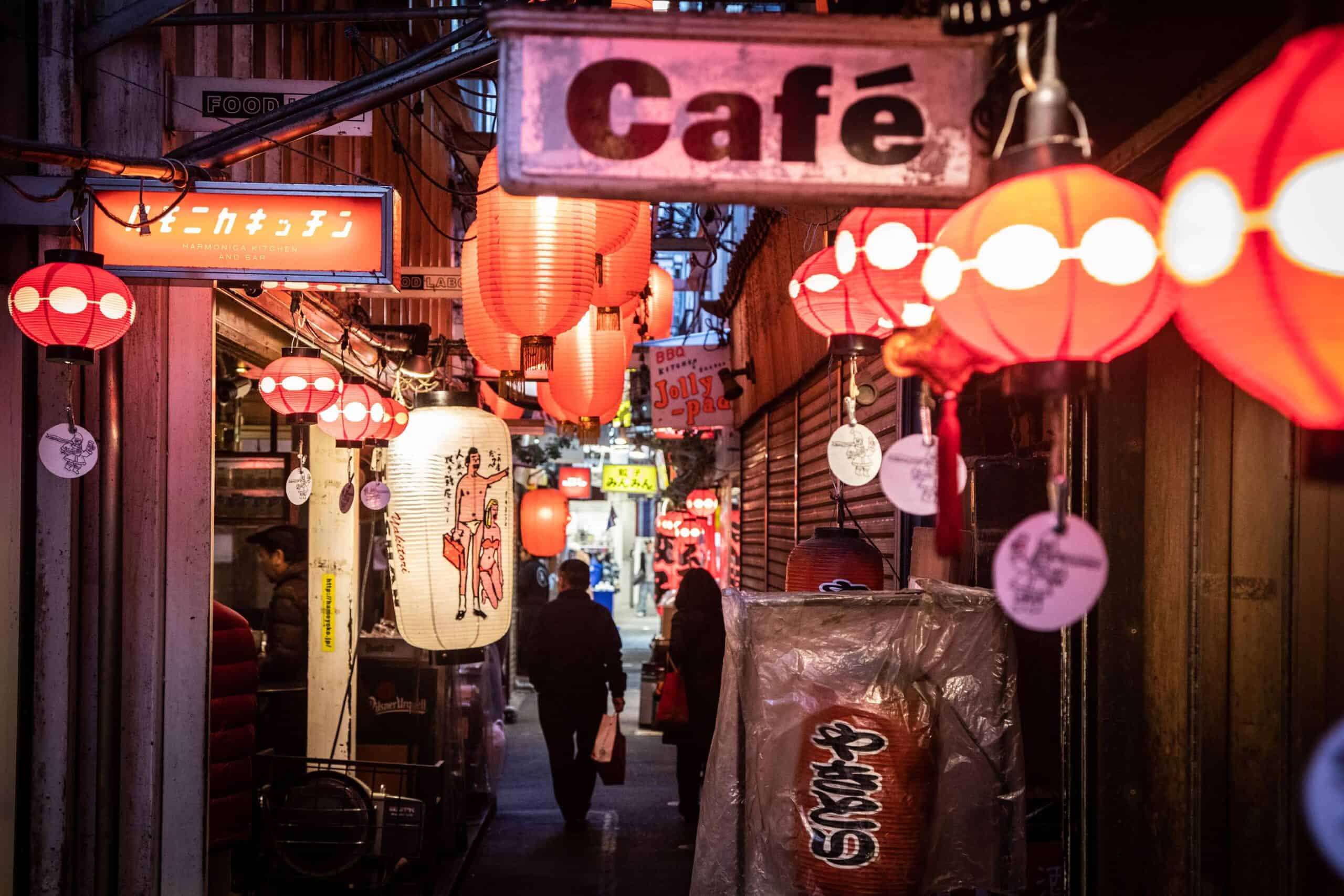
The peak ski season runs from late December to early March, with the deepest powder typically in January and February. March offers more sunshine and fewer crowds. For fresh snow and lively après-ski, mid-January is ideal. Avoid Golden Week (late April-early May) when crowds increase.
Which is the best ski resort in Hakuba?
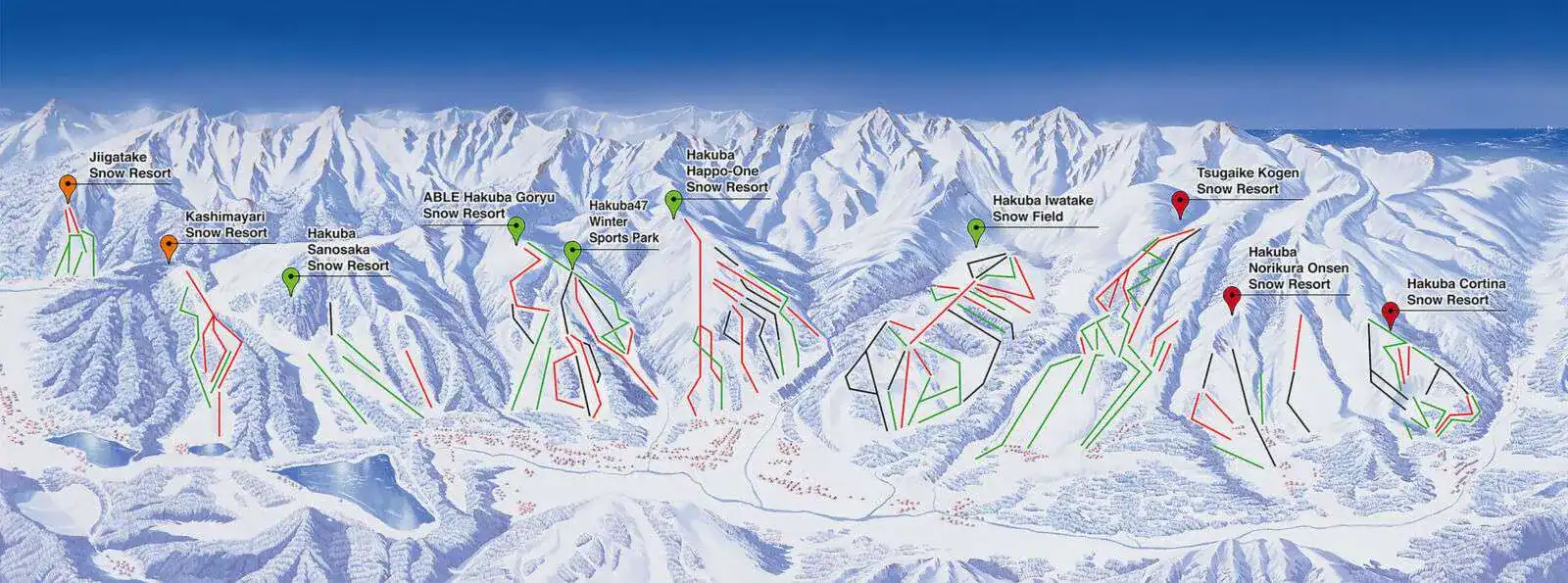
There are 10 resorts in the Hakuba Valley, and each has its own highlights. Hakuba Happo-One is the flagship resort in the valley, famous for its steep verticals and Olympic legacy. For powder enthusiasts, Cortina Snow Resort is a favourite due to its deep snowfall and off-piste access. Families often prefer Tsugaike Kogen for its wide, gentle slopes. For snowboarders and terrain park fans, Hakuba 47 & Goryu is a standout.
Is Hakuba good for beginners?
Yes, Hakuba has excellent beginner terrain across multiple resorts. Tsugaike Kogen, Goryu’s Toomi slope, and Iwatake offer wide, gentle groomers ideal for first-timers. English-speaking ski schools such as Evergreen International and Hakuba Snow Sports cater to new skiers of all ages.
What’s the weather like in Hakuba in Winter?
Winter temperatures in Hakuba range from -10°C to 2°C (14°F to 36°F). Snowfall is consistent from mid-December through March, with heavy dumps especially in January and February. March sees sunnier days with slightly warmer temps, making it great for families and bluebird skiing.
How much snow does Hakuba get?
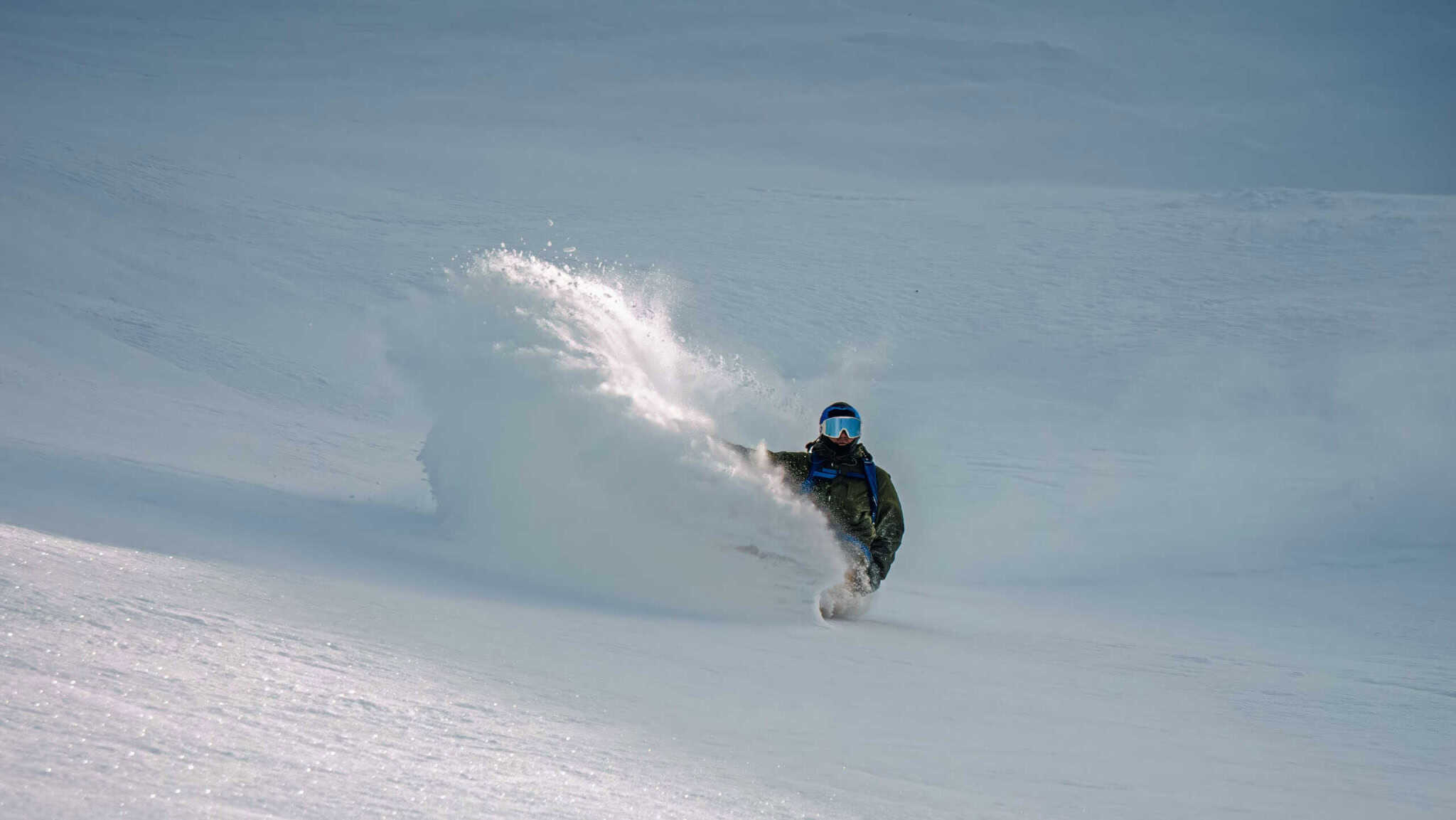
Hakuba Valley averages between 10 to 13 metres (400 to 500 inches) of snow per season, depending on the resort. Cortina typically receives the most snowfall, often 14+ metres in a strong year, while resorts like Tsugaike and 47 also enjoy abundant powder.
Does Hakuba offer night skiing?
Night Skiing is offered over at Goryu’s Toomi slope everyday from late Dec – late Mar. The 1000m of groomers are maintained every afternoon before re-opening for night skiing from 18:00 – 21:30pm. Night skiing at Goryu is not included on the Hakuba Valley Lift Pass and will need to be purchased separately from the resort ticket office.
Does Hakuba offer ski-in ski-out accommodation?
Yes. Resorts such as Happo One, Goryu, and Cortina feature several ski-in ski-out hotels and chalets. Wadano and upper Echoland are popular zones for slopeside lodging. Booking early is essential during peak periods! You can view the full range of accommodation on offer on our accommodation page here.
Is Hakuba suitable for families with kids?
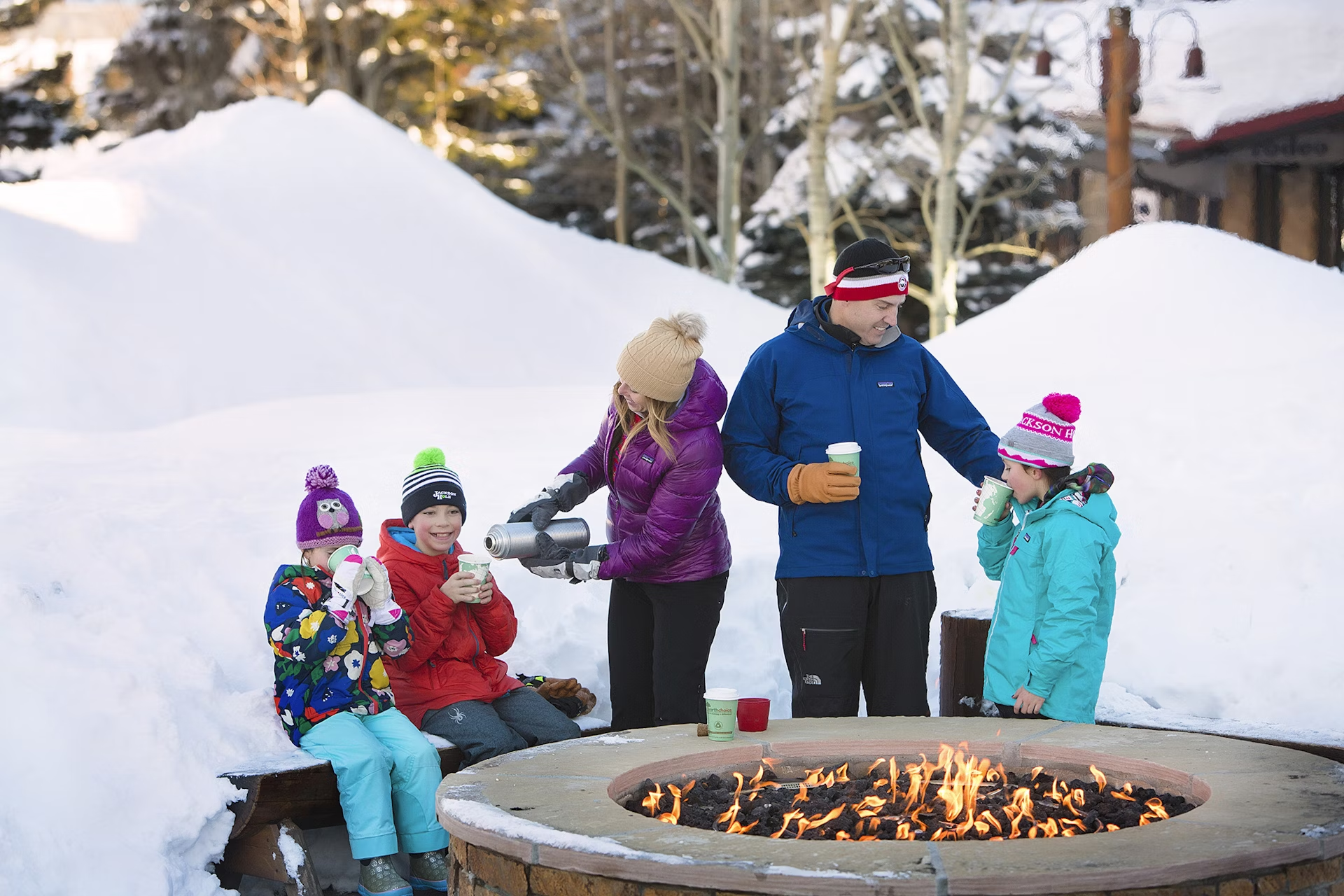
Absolutely. Hakuba has English-speaking ski schools, dedicated beginner zones, and family-friendly lodging. Resorts like Goryu, Tsugaike, and Iwatake have snow play areas, magic carpets, and easy terrain. Some accommodations also offer childcare and kids’ meals.
What else can I do in Hakuba besides skiing?
Hakuba offers plenty beyond skiing. You can take a look at more activity/ day tour recommendations here.
- Soak in an onsen (hot spring)
- Snowshoe or winter hike
- Visit the Snow Monkeys at Jigokudani
- Explore local sake breweries
- Visit one of the many temples around the valley
- Dine at izakayas or try wagyu and soba noodles – top picks include Sushi Sakai, Tori Co, Zen, and Hie
Are there hot springs in Hakuba?
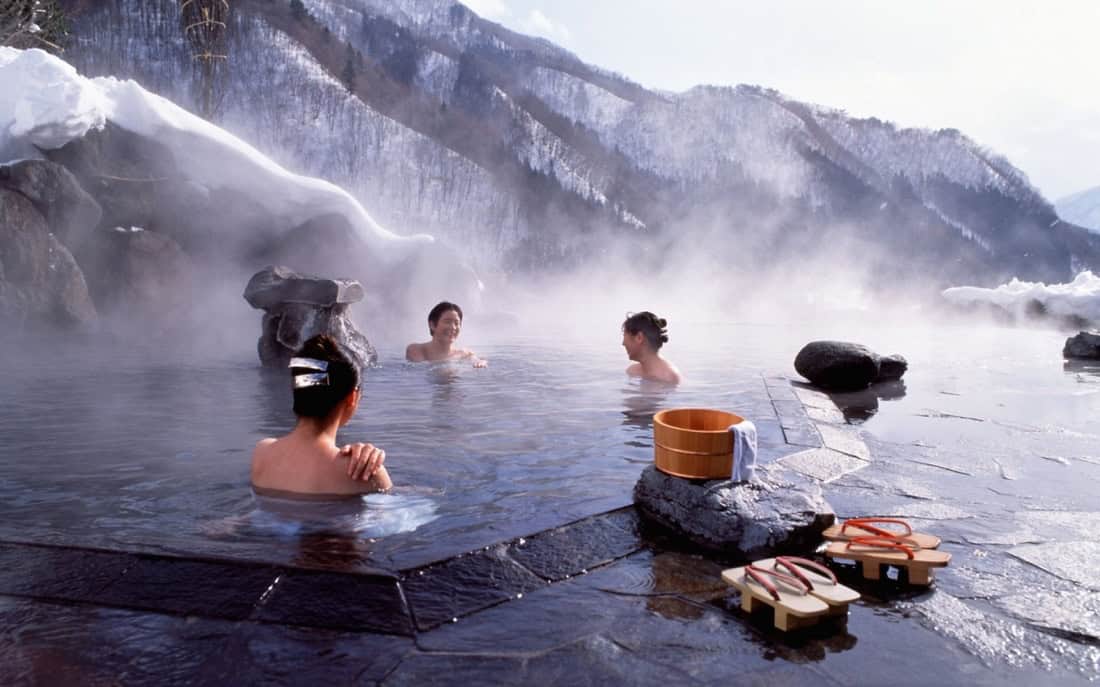
Onsen (Japanese hot springs) are heated by volcanic activity and perfect for soothing tired muscles after a big day on the slopes. Hakuba has several public and private onsen options, including Happo no Yu, Mimizuku Onsen, and Goryu Onsen. You can take a look at our top 10 recommendations for onsen all around the valley here. Most operate year-round and offer spectacular mountain views.
First time visiting an Onsen, is there anything I should know?
Onsens are gender-separated, and it’s important to shower thoroughly before stepping into the baths. Swimwear isn’t permitted, but you can rent a modesty towel if you’d like a little extra cover. Keep voices low to respect others’ relaxation, and remember that phones and photos are not allowed inside. Read our full Onsen Etiquette Guide here.
Which part of Hakuba is the best to stay in?
Different areas suit different groups – choose your base depending on whether you prioritise convenience, nightlife, or tranquility.
- Wadano: Great for ski-in ski-out access to Happo One
- Echoland: Popular for nightlife, restaurants, and central location
- Happo Village: Closest to the gondola and ski schools
- Goryu & Tsugaike areas: Quieter, more family-friendly
Does Hakuba have nightlife?
Yes, especially in Echoland and Happo Village. Expect a laid-back après scene with izakayas, live music bars, craft beer spots, and international restaurants.
Top nightlife spots include:
- The Rabbit Hole – A lively après-ski bar with great food and cocktails
- Blizzard – Known for live DJs and its slopeside location
- Club House Hakuba – Modern nightlife hub for dancing and social events
- 902 Bar – Cozy lounge with great drinks and a relaxed vibe
- Mocking Bird – A favourite for locals and visitors with live music and welcoming staff
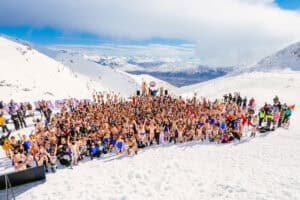
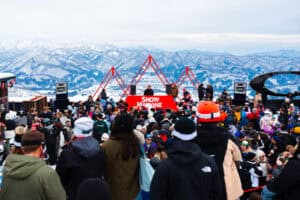
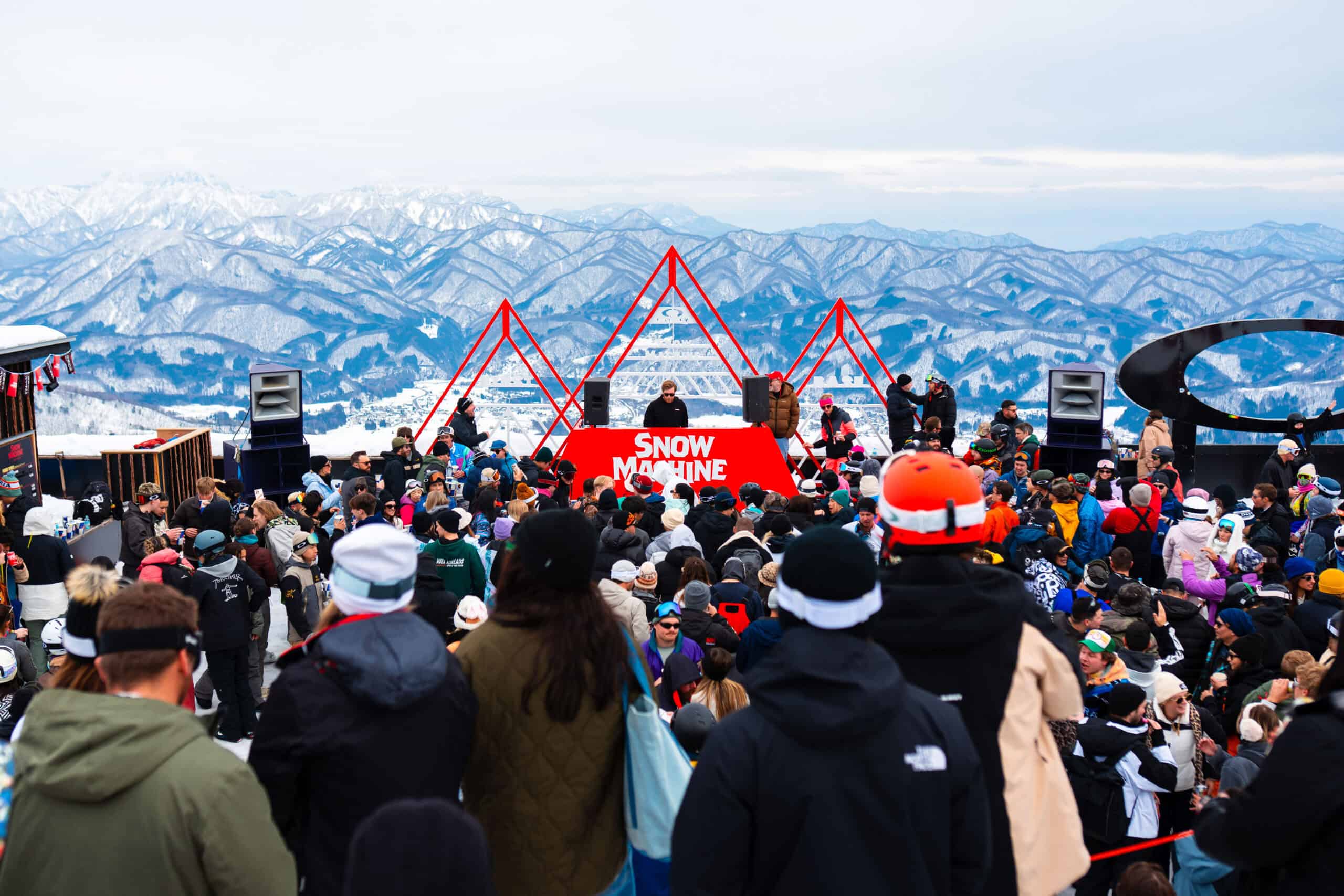
Hakuba also hosts Snow Machine, a huge alpine music festival in the first week of March, bringing internationally recognised acts like Steve Aoki, Flight Facilities, and Sub Focus to the slopes for unforgettable snow-side sets.
What are some of the best restaurants in Hakuba?
We have listed out our favourite spots here for you all, but some of the most highly rated dining experiences in Hakuba include:
- Sushi Sakai – Known for high-end sushi and omakase menus
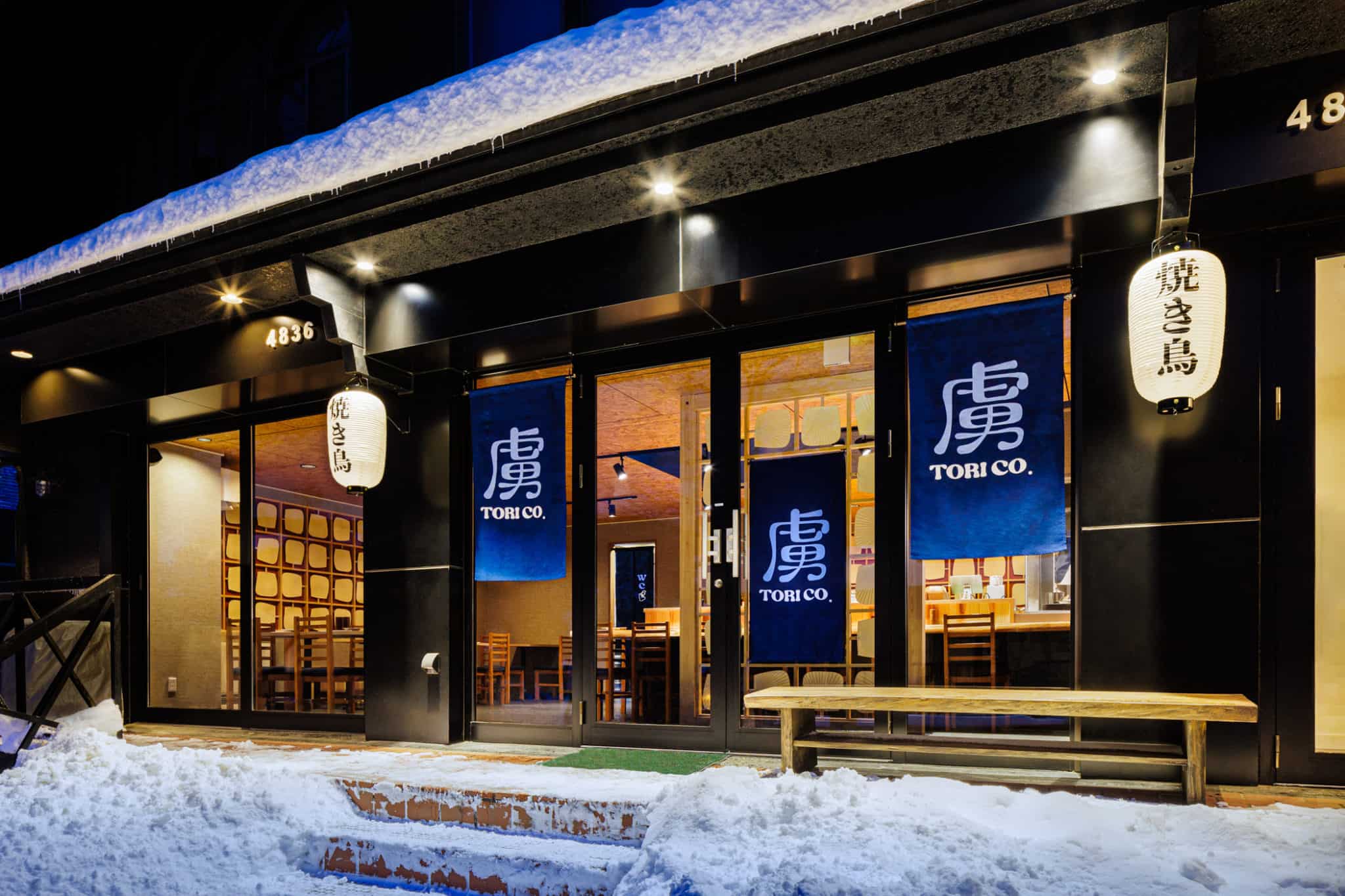
- Tori Co – Japanese grilled skewers and modern yakitori
- Zen – Japanese-European fusion and fine wine
- Hie – Local izakaya with standout hotpots and sashimi
Explore more and reserve a table through the Hakuba Hospitality Group restaurant guide.
Do I need to pre-book restaurants in advance?
Yes, especially during peak season (late December to February), many of Hakuba’s top restaurants fill up quickly. It’s highly recommended to make reservations in advance to avoid missing out – especially at popular spots like Sushi Sakai, Hie, Zen, and Tori Co. You can book your restaurants here.
What is the best way to get around Hakuba?
Your accommodation may be within walking distance to lifts and restaurants, but there’s also a free shuttle service running throughout town and to all resorts from December to March. Grab timetables from your accommodation’s reception.
Uber is also now available in Hakuba. Book rides as usual through your Uber app. Hakuba Demand Taxi app is also a great and affordable way to get around during the early evening. Download the app:
Is there Free Wi-Fi around Hakuba?
Most accommodations in Hakuba offer Wi‑Fi, but outside of your lodging, free Wi‑Fi is rare in Japan. The easiest way to stay connected is to pre-purchase an eSIM – quick to set up and no swapping SIM cards required. Grab yours through Ubigi here and use the code MOUNTAINWATCH for 10% off!
Hakuba vs Niseko – Which is better?
Both are world-class, but they deliver different experiences. We dive deep into this question in this blog article here, but here’s the quick breakdown:
- Hakuba: More varied terrain, steeper runs, closer to Tokyo, more local culture
- Niseko: More consistent powder, bigger foreign crowd, more Western infrastructure
For international travellers looking for a blend of authentic Japan and world-class skiing, Hakuba is increasingly becoming the preferred pick!
Need help with planning your next ski trip?
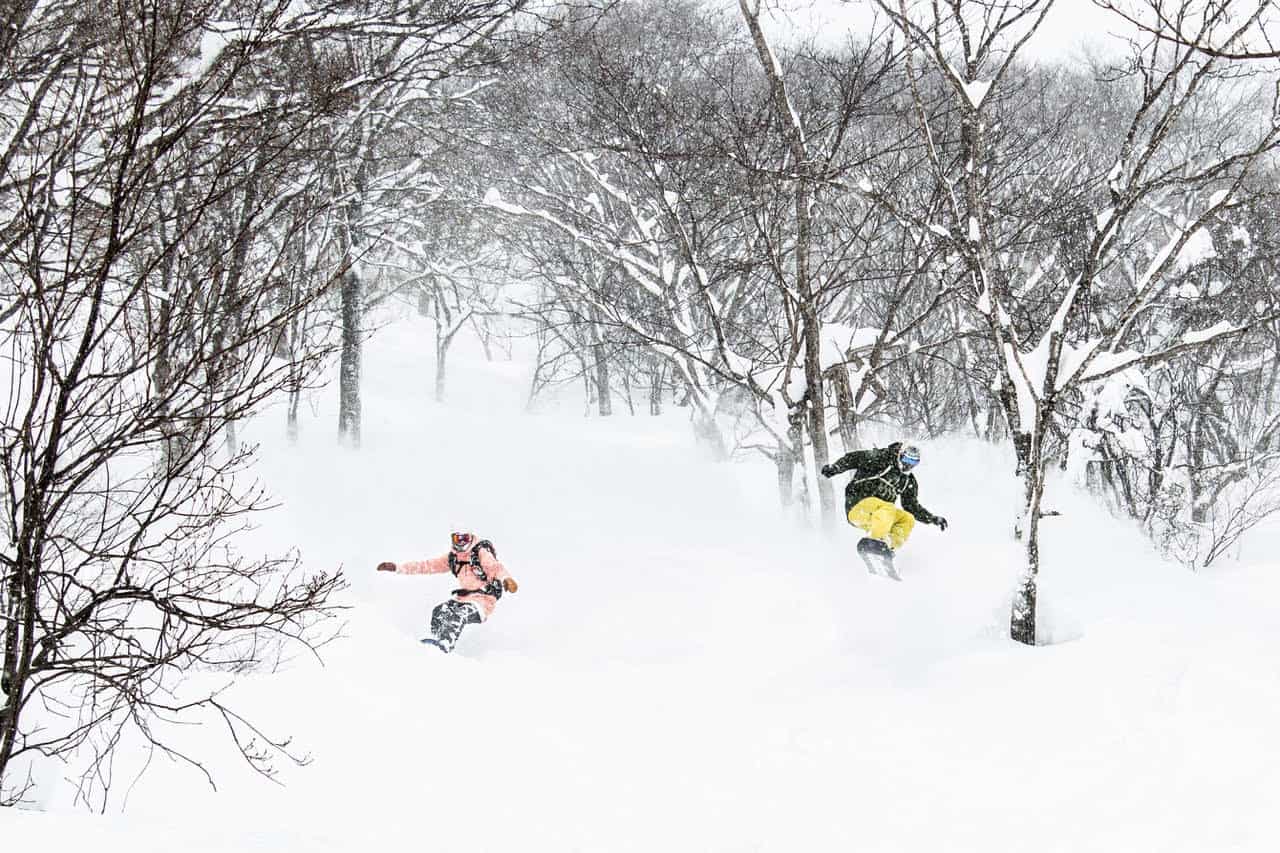
Hakuba delivers everything you need in a Japanese snow holiday – consistent powder, diverse terrain, English-friendly facilities, and cultural depth. Whether you’re chasing face shots at Cortina, teaching your kids to ski at Tsugaike, or soaking in an onsen after the slopes, Hakuba’s got you covered.
Let this FAQ guide your planning, and when you’re ready to make it happen, click below to connect with one of our travel consultants. They’ll craft a fully customisable quote and handle the logistics, so all you need to worry about is showing up ready to ride!